July 27, 2026 · Lisa, content editor
A Personalized Children's Book for Dyslexia: Making Reading Something to Look Forward To Again
By Lisa, mother of two and content specialist at Kids Chapters
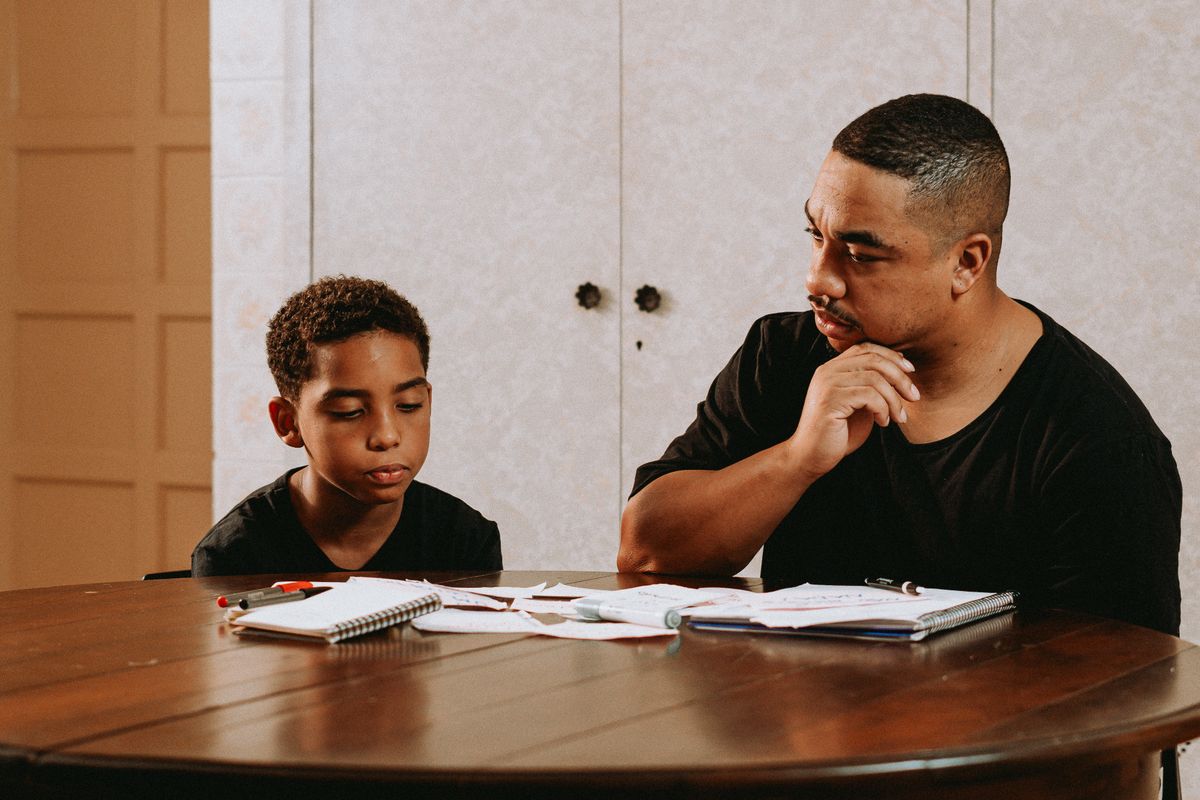
Most parents of a child with dyslexia know the moment. The book is on the table, the evening is running short, and your child slides down in the chair before a single sentence has been read. It is not laziness and it is not stubbornness. It is what happens when reading starts to feel like a test that gets repeated every night. A personalized children''s book for dyslexia will not undo that overnight, but it does shift something that matters: it moves the focus away from performance and back to the story.
I noticed the difference at our own kitchen table when my eldest opened a book with his own name on the first page. He still read slowly. He still stumbled. But he wanted to know how it ended, and wanting it that badly made him forget how hard it was.
Why motivation does half the work in dyslexia
Dyslexia says nothing about how bright a child is. It says something about how the brain links sounds to letters. That process takes more energy, and energy runs out. After a school day full of reading, the tank is often already empty by the time a book appears at home.
Reading specialists keep coming back to one point: children with dyslexia benefit most from mileage. The more often a child reads, the more automatic word recognition becomes. The catch is that you cannot force those miles with a stricter schedule. You get them by giving a child a reason to open the book on their own. With dyslexia, motivation is not a nice extra. It is the engine.
That is where personalization earns its place. A child who finds themselves inside the story reads out of curiosity about their own adventure rather than obligation. That curiosity is exactly the nudge that makes a difficult page bearable.
What makes a personalized book different
The biggest difference happens in the first few seconds. With an ordinary book, a child has to invest before getting anything back. With a book where they are the main character, the investment is already made before a single line is read. The name on the cover does the work.
There is more to it. Children with dyslexia know their own name better than any other word. They do not have to decode it, they recognise it instantly. In a story where that name keeps returning, small resting points appear in the text. Places where reading briefly flows. It sounds like a detail, but for a child who experiences every line as an obstacle course, a resting point is worth a great deal.
It also helps when the story matches what your child actually loves. A child obsessed with space will get further into a book about a rocket than into a levelled reader about a topic that means nothing to them. Interest compensates for a lot.
Reading together without turning it into practice
Here is a trap I know well from the inside: turning every reading moment into a lesson. Correcting, improving, asking for one more try. It comes from a good place and it often backfires, because the child learns that reading means making mistakes while someone watches.
What helped us was sharing the load. I read a page, he read a page. If he got stuck on a word, I simply said it out loud and moved on without comment. No correction round, no remarks about speed. The goal was not to measure progress. The goal was to stay inside the story together.
Another approach worth trying: let your child read only the passages where their own name appears. It feels like taking part without the bar being set too high, and you can build from there. Five minutes that feel good are worth more than twenty that end in tears.
What to reasonably expect from a book
Let us be honest. A book is not a treatment. If you suspect dyslexia, school, a reading specialist and where appropriate a formal assessment remain the right path. What a personalized story does is soften the emotional side. It makes sure reading is not only associated with effort, but also with delight and with a hero who looks a lot like your child.
That effect travels beyond the reading corner. Children who see themselves as the main character find it easier to believe they can become good at something. They carry that belief into the classroom, into reading aloud in front of others, into the next page.
At Kids Chapters we create books where your child plays the leading role, with their own name, their own appearance and a story built around what excites them. Curious what that would look like for your child? Have a look at kidschapters.com and write the first chapter together.