September 28, 2026 · Bas, co-founder
PISA Reading Scores Are Falling Again. Why Reading Stamina Starts at Bedtime
The latest PISA reading scores landed in early September, and the headline from the Netherlands was hard to ignore: 39 percent of Dutch fifteen-year-olds now read below the level they need to keep up at school and in everyday life. Reading is slipping in plenty of other countries too, but the Dutch drop is steeper than most. I read the news as a dad before anything else. And the question that stuck with me wasn't what secondary schools should do next. It was what happens much earlier, at home, years before any child sits a PISA test.
What the PISA reading scores actually show
PISA is the OECD's big international study of fifteen-year-olds, run every few years. In the 2025 round, around 760,000 students in 91 countries took part, including more than 6,600 in the Netherlands.
The Dutch trend line is not pretty. In 2018, one in four fifteen-year-olds fell below the minimum reading level. In the next round it was roughly one in three. Now it's 39 percent. Among the fourteen European countries the Netherlands has been compared with since 2003, only Greece scored lower. Before 2015, Dutch teenagers were comfortably above the European average.
The Dutch Reading Foundation (Stichting Lezen) picked out a detail I think matters most. The biggest drop is not in finding information in a text. It's in understanding it and thinking critically about it. Teenagers can still locate an answer. What they struggle with is staying with a text long enough to really get it.
The number nobody talked about
Buried in the report is a statistic that says more to me than any ranking. Students were asked to rate how much effort they put into the test, and that score fell from 7.4 out of 10 in 2018 to 7.0. Even more telling: 14 percent of reading questions were answered too quickly and wrongly. In 2018 that figure was 7 percent. It has doubled.
That isn't really a story about kids who can't read. It's a story about kids who don't stay with it. Reading a longer text takes patience, focus and a bit of curiosity about what comes next. Call it reading stamina. And stamina isn't something you can drill into a fifteen-year-old with a new curriculum. It's built slowly, over years, one story at a time.
Why reading stamina starts with the bedtime story
Most of the debate after PISA is about schools, and that makes sense. The Dutch government has introduced new national learning goals for language this school year and promises an action plan this autumn. But a teenager who gives up halfway through a long text is often a child who learned years earlier that reading is something you have to do, not something you want to do.
The research on reading aloud is remarkably consistent. Children who are read to from a young age get a head start in language and reading, and that advantage can still be measured at the end of primary school, sometimes into secondary. One widely cited estimate suggests that reading a single picture book a day from birth exposes a child to nearly 300,000 extra words by age five. Picture books also contain far more varied vocabulary than everyday conversation.
For me, though, the real gift is something the word counts miss. When a four-year-old sits through a whole story because they have to know how it ends, they're practising exactly the kind of attention that PISA now finds missing. That little "and then what?" is where reading stamina begins.
Small habits that help, without turning home into school
None of this needs a programme or a reading chart. A few simple habits go a long way.
Keep reading aloud after your child can read on their own. A seven or eight-year-old can follow far richer stories than they can decode by themselves. I wrote more about this in when to stop reading aloud.
End on a cliffhanger. Close the book just as it gets exciting and promise to carry on tomorrow. Your child will protest loudly, which is exactly the point.
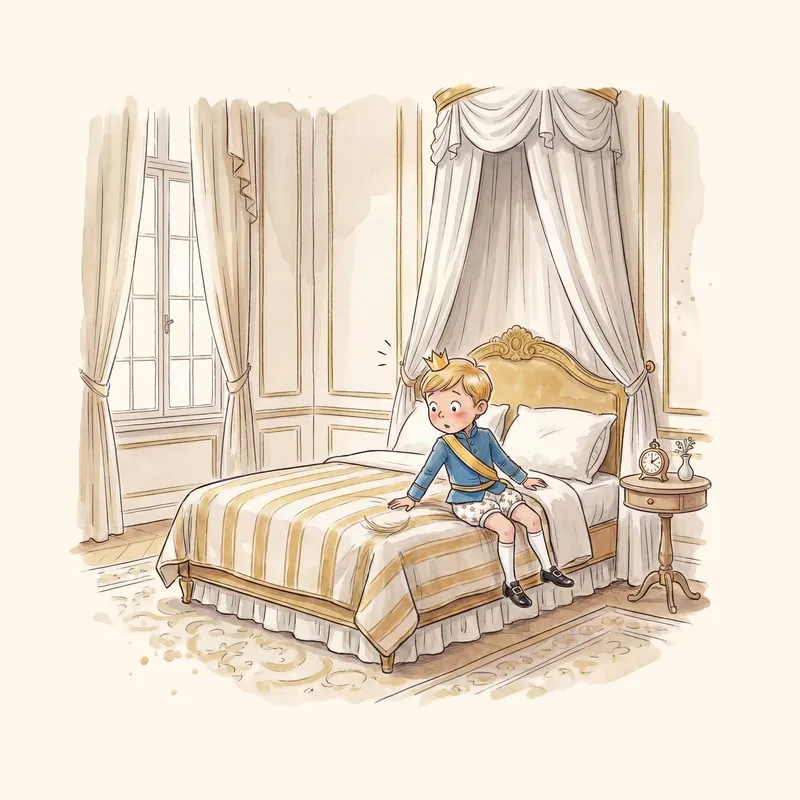
Let them laugh. A child giggling at a prince who can't find his trousers is learning that books give something back. That beats any sticker chart.
Skip the quiz. Instead of asking what they learned, ask what they would have done. One feels like homework, the other feels like a chat.
And let them choose, even if it's comics. Lisa makes a good case for that in my child only reads comic books.
Why we care about this
Let me be straight with you: no book of ours is going to fix a country's PISA scores, and I won't pretend otherwise. But when the results came out, the Dutch Reading Coalition called for a broad reading culture outside the classroom as well as inside it. Outside the classroom means home. The sofa, the edge of the bed, those ten minutes before lights out.
That's the moment we make our books for. Not to teach a lesson, but to let a child discover that a story can be about them, and that they really want to know how it ends. A child who asks for the same book twenty times at four has a much better shot at sticking with a difficult text at fifteen.
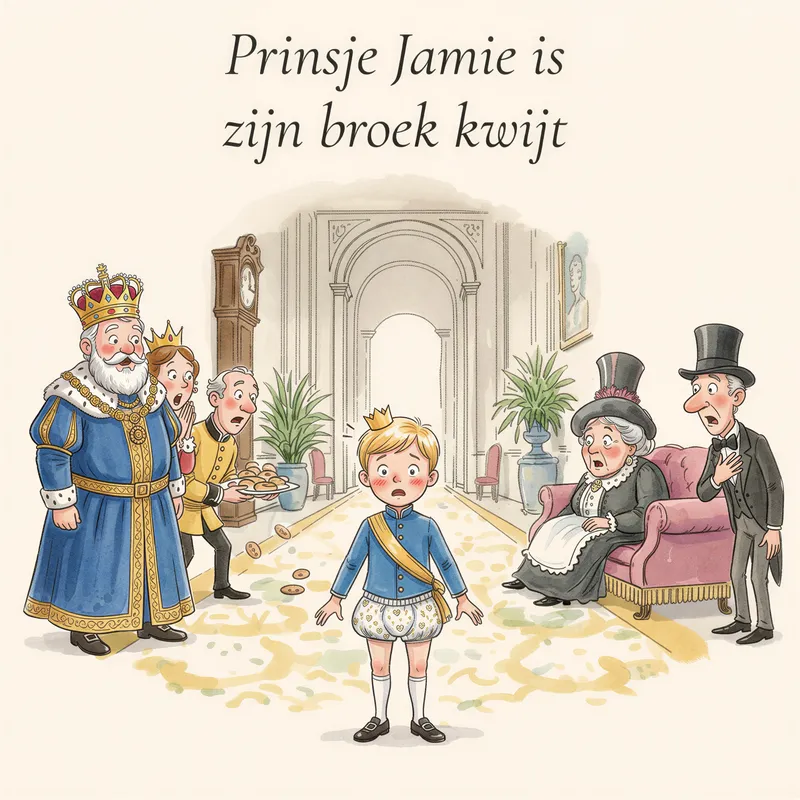
Curious what keeps a child turning the pages? Have a look through our books and read the first few pages out loud. You'll soon notice whether your child wants to hear what happens next.
Sources
- NOS, Bijna 40 procent 15-jarigen kan niet goed lezen, laaggeletterdheid dreigt (in Dutch), 8 September 2026.
- Stichting Lezen, Leesmonitor, Leesvaardigheid Nederlandse jongeren daalt (in Dutch), 18 September 2026.
- Stichting Lezen, Leesmonitor, Voorlezen: boost voor taal en lezen (in Dutch), July 2025.
- OECD, PISA 2025 Results, Volume I, 2026.